Directa · Design By Dentists
Luxator®
Extraction InstrumentsInvented by a Swedish dentist in 1975. Designed to make extractions as trauma-free as possible.
Explore the RangeThe Complete Range
One System. Every Extraction.
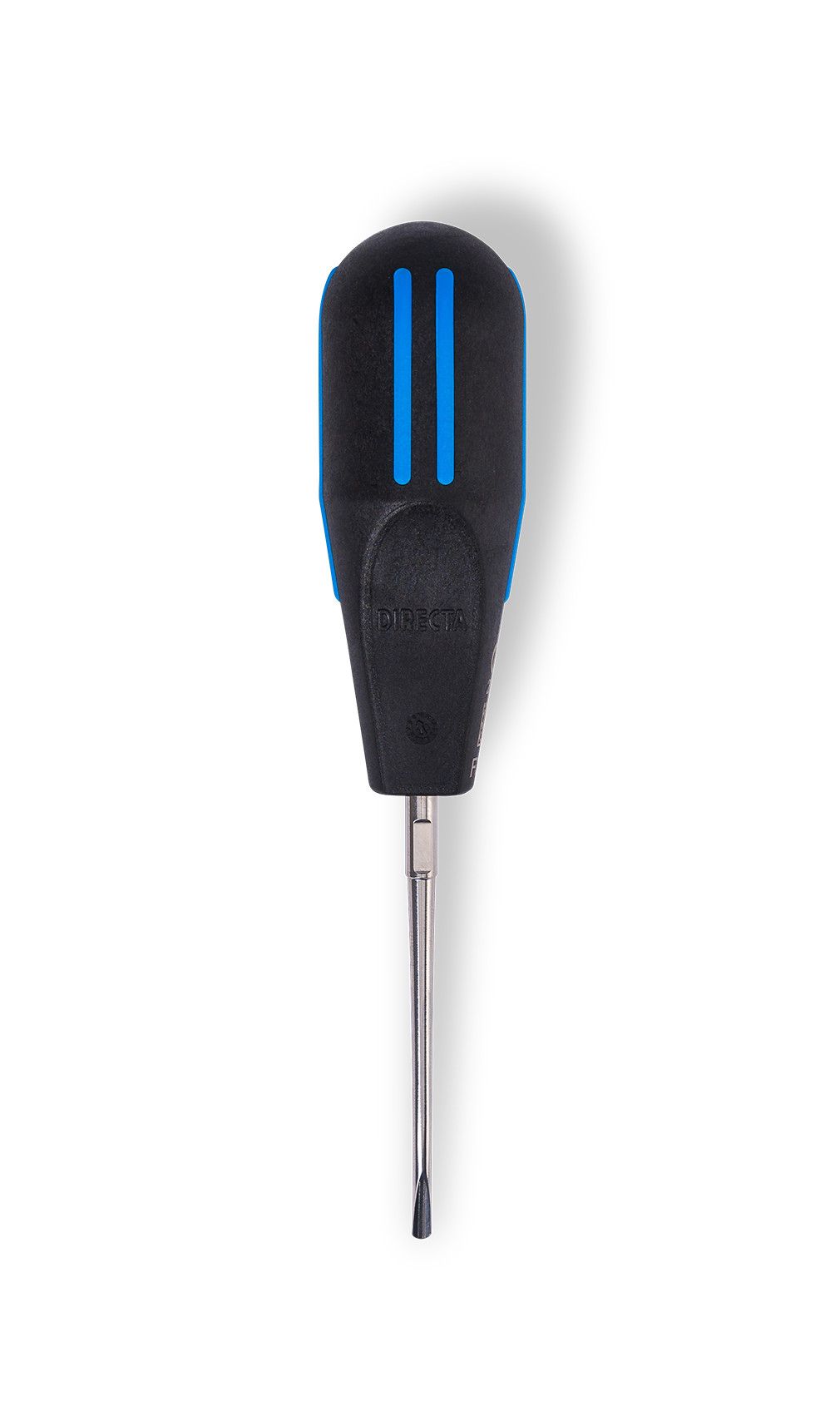
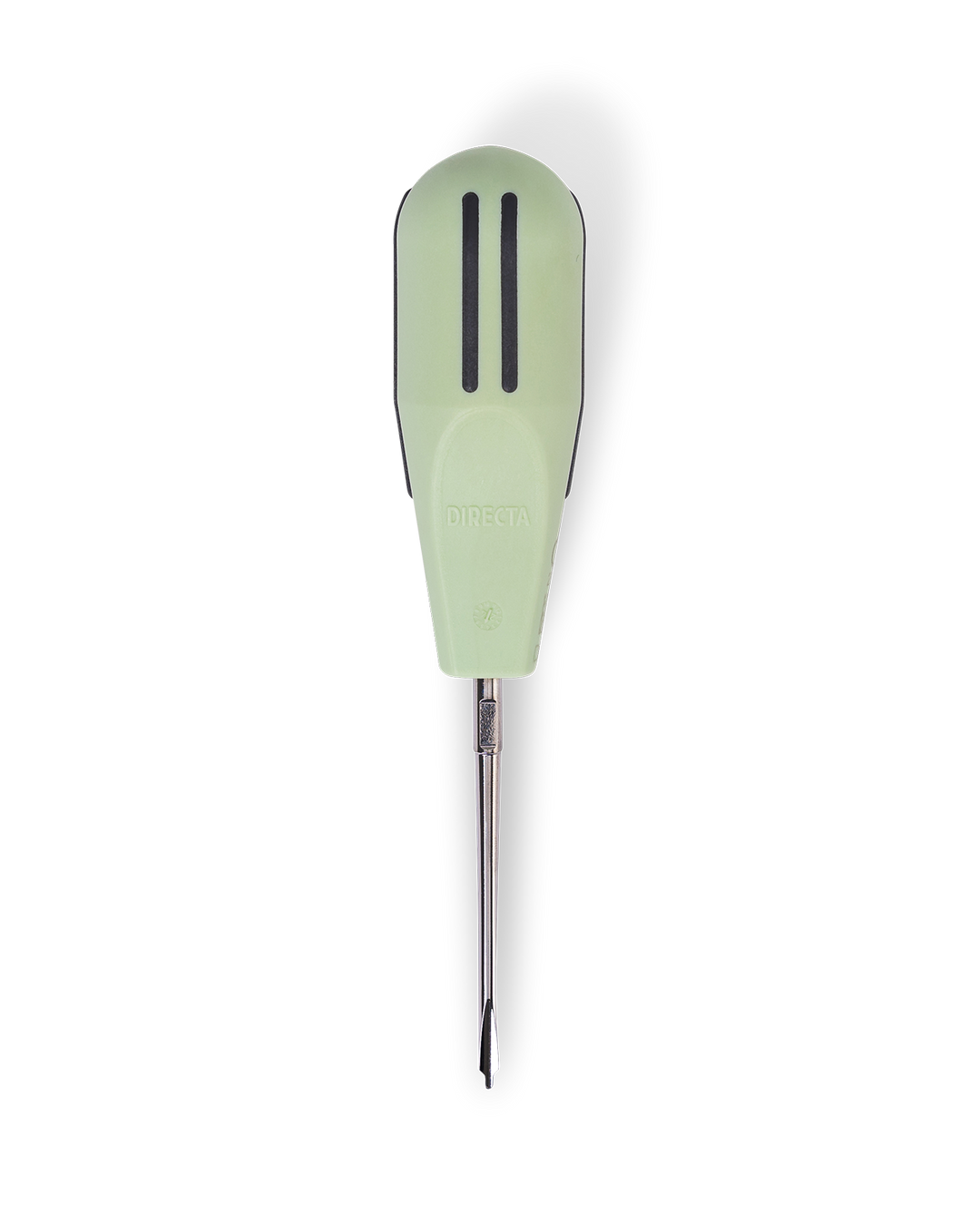
Periodontal Ligament Knife
Luxator® Periotome
Fine tapered blade compresses the alveolar bone and cuts the periodontal ligament for minimal tissue damage.
Short-Blade Periotome
Luxator® Short
10 mm shorter blade. Same atraumatic performance — ideal for smaller hands or restricted access.
Penholder Grip
Luxator® P-Series
Thinner and sharper than the original. Penholder grip maximizes tactility for precise ligament access.
Elevator
Luxator® Forte
Cornered rigid tip grasps dentine or root cementum for controlled and safer root elevation.
Dual-Purpose Instrument
Luxator® Dual Edge
Integrated Periotome and Luxator tip. Safer stepped insertion for fractured or decayed roots.
TiN-Coated Periotome
Luxator® Titanium
Titanium nitride coating reduces friction and maintains sharpness — no sharpening required.
Since 1975
Invented by a Swedish dentist. Refined over five decades.
The origin of the Luxator dates back to 1975, when a Swedish dentist grew frustrated with older-style elevators that relied on leverage from surrounding tissues. After six years of steel testing and 18 months of clinical trials, the Luxator was born — and it has remained the instrument of choice for atraumatic extraction worldwide ever since.
Why Luxator
Precision. Control. Outcomes.
Three clinical advantages that have defined Luxator for over 50 years.
Atraumatic Extraction
The fine tapered blade compresses the alveolar bone and cuts the periodontal ligaments, gently easing the tooth from its socket. Reduced trauma means rapid healing, less post-operative pain, and preserved bone anatomy — critical for immediate implant placement.
World-Renowned Handle Design
Designed by a practicing dentist to minimize force and fatigue. The shape and size distribute pressure across the hand, reducing repetitive strain in high-volume practices while providing outstanding tactility through premium Swedish steel.
Implant-Ready Bone Preservation
Cutting the periodontal ligament rather than leveraging against surrounding tissue preserves alveolar bone height and width — enabling direct implant placement, fewer surgical sessions, and a shortened edentulous period for the patient.
See It In Action
FAQ